Moon Magick
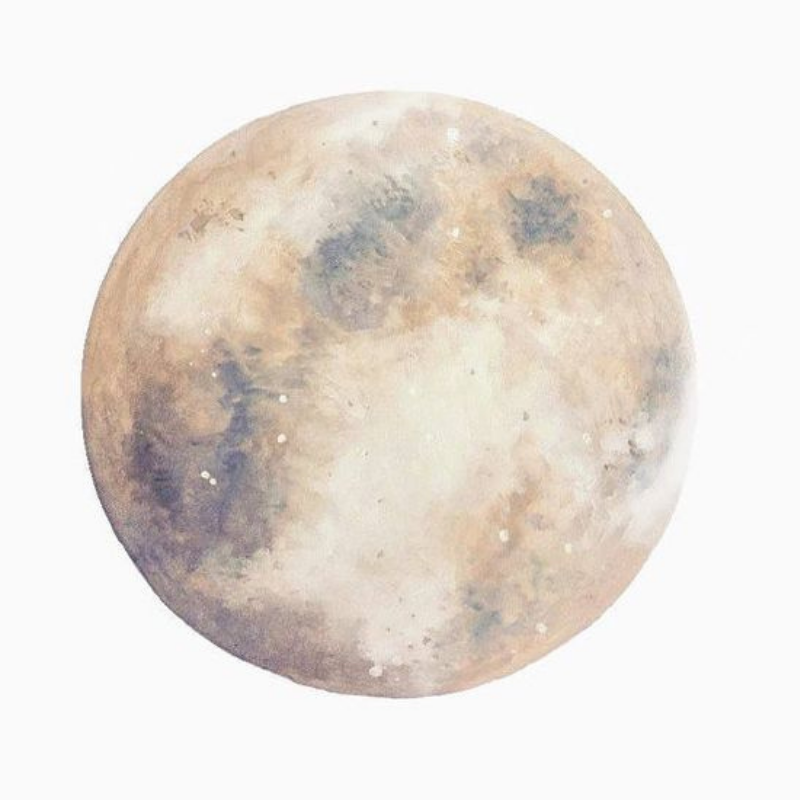
The Moon is a prominent and ancient symbol. It’s a celestial body that affects various natural phenomena including our emotional states and thought processes. It has shaped how we understand and track time, its movement controls the tides, and its rise into the sky signals the coming of night. The moon also has a marked association with femininity and fertility. One example of this includes how our menstrual cycles are roughly the same amount of time as that of a lunar phase. For astounding reasons, the moon has made its way into our myths and culture; many seeking its beauty, mysterious nature, & the ways it reflects the inner workings of our psyche.
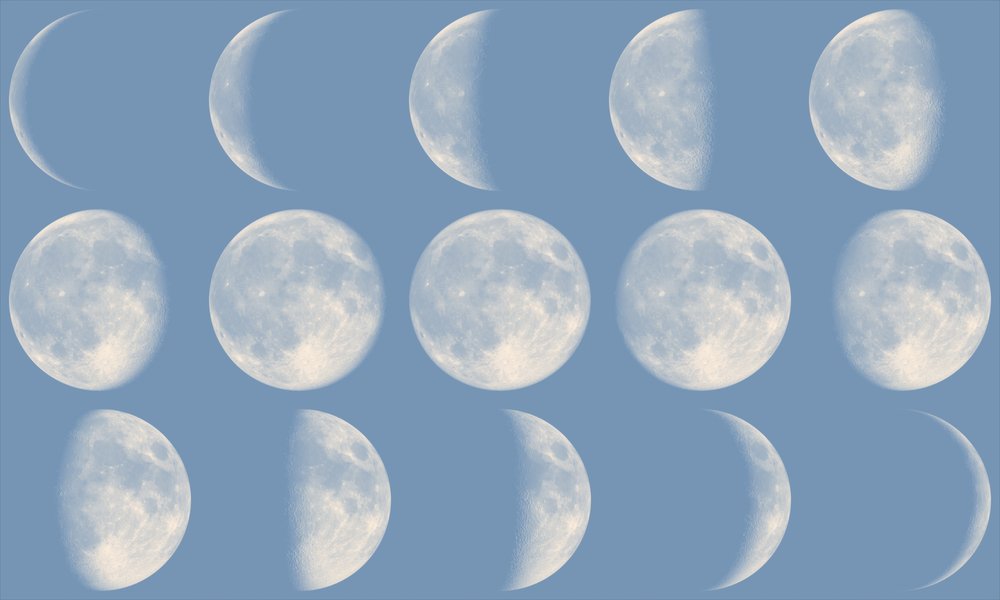
A lunar cycle is made up of 8 distinct phases, all of which have associations with different states of being. This is similar to the 8 Solar Gates we experience throughout the year. These states mirror a kind of spiritual path or quest - which like our search for ourselves, never ends. When we observe the Moon, we see reflections of the grand pattern of life that is birth, death, and rebirth.
Her Phases
The 8 phases of the Moon in order are:
New Moon
Waxing Crescent Moon
Waxing Half Moon/First Quarter Moon
Waxing Gibbous Moon
Full Moon
Waning Gibbous Moon
Waning Half Moon/Last Quarter Moon
Waning Crescent Moon
The Full, Quarter, & New Moons are all the instants in time when the Moon is exactly fully, half, or not at all illuminated from our perspective on Earth. The Crescent and Gibbous Moons each last approximately a week.
Her Rhythms
New Moon | New Beginnings When the Moon is invisible, it signals that all has been cleared, and it’s time for a new beginning. This is a good time to gather your ideas, thoughts and plans for the coming cycle.
Waxing Crescent Moon | Set Intentions: Send your hopes and desires into the world. Make it known, and develop your willpower to bring them forward.
Waxing Half Moon | Take Action: When the Moon is half visible, it signals a time for taking action. If you discover any obstacles that block your path, do not waiver, be steadfast and overcome them.
Waxing Gibbous Moon | Refine and Hone: The waxing gibbous Moon is a time to observe and align our hopes with the universe. It is a time for balancing our human will with that of divine plan.
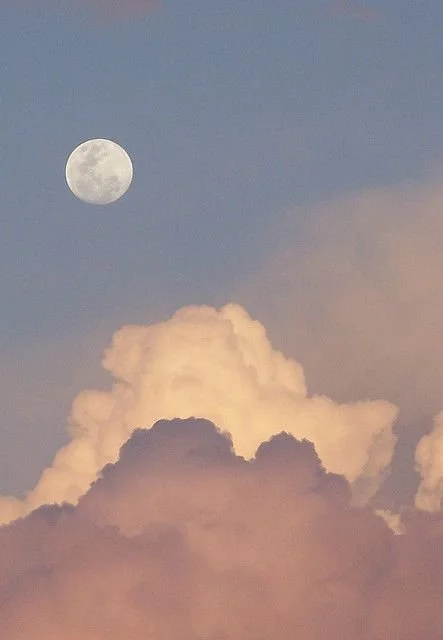
Full Moon | Harvest: This is a time to receive the gifts of your past intentions and wishes. From this period, the Moon will go from waxing to waning, signaling our journey to look inward.
Waning Gibbous Moon | Reflect: While your actions and their reactions are still clear in your memory, this is a good time to review. This stage, offers an invitation to refine your strategies, emotions, & self from the inside out.
Waning Half Moon | Release: After tuning in with your internal compass, now it is time to let go of the habits and thought processes that hold you back. Forgive yourself and cleanse in preparation for the next phase.
Waning Crescent Moon (The Dark Moon & Final Phase) | Surrender: This is a sacred time for recuperation. To be fully open to the next cycle, one must completely empty themselves and become receptive first.
Her Dance
The Moon can be in any part of it’s cycle when the sun enters a new sign. Sometimes the New Moon phase comes first, but more often one of the other phases will precede it.
When The New Moon Comes First: Begin the phase by setting your intentions in alignment with the theme of the sun sign.
When The Waxing Half Moon Comes First: This is a powerful time to gain momentum. Create your intentions and begin to implement them.
When The Full Moon Comes First: Find something to celebrate in the theme of this sun sign & develop new goals.
When The Waning Half Moon Comes First: In alignment with the theme of this sun sign, decide what blocks need to be released. Let go & prepare yourself for new growth.
Her Signs
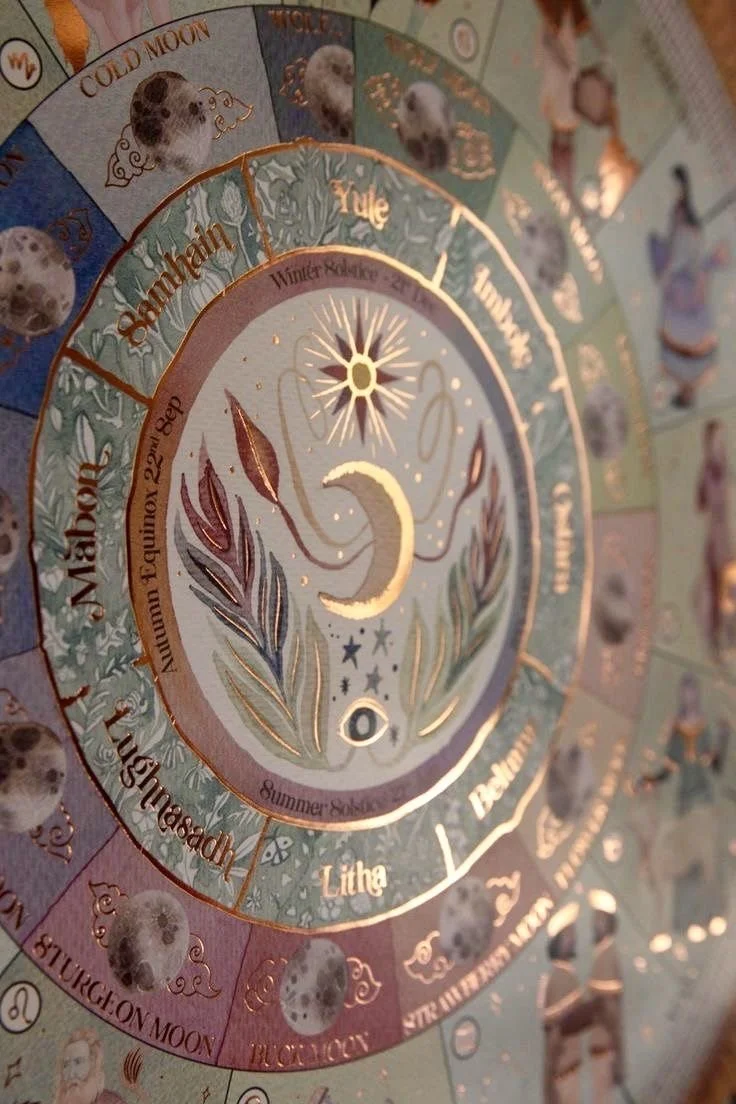
The sun changes zodiac signs every 30 days, while the moon changes every 2.5 days. It can be insightful to track the sign the moon is in, especially when you are creating ritual and living a life led by and filled with intention. Send your wishes to the moon and allow this wise grandmother to illuminate your path.
Aries: Take action, make decisions, and start projects.
Taurus: Take care of your finances & resources. Be good to your body & add beauty to your life.
Gemini: Learn new things. Contemplate, write, communicate, & socialize.
Cancer: Take care, reflect, nourish, spend time at home and within; heal.
Leo: Be creative. Play and have fun. Dance, sing and draw.
Virgo: Organize! Take care of the details. Work and be of service to others.
Libra: Add balance to your environment & life. Have important conversations. Clean.
Scorpio: Forgive. Research. Tune into your sensual passionate self.
Sagittarius: Travel and seek out inspiration. Be generous & have fun.
Capricorn: Work on big projects. Add systems to your life. Dedicate yourself to your goals.
Aquarius: Connect with the wider community. Create a vision for the future.
Pisces: Meditate, dream, and use your intuition. Rest and restore.
Her Names
While there is much debate and a wide variation on the names given to each full moon by the many Native American Tribes, Colonial Americans, etc. here is a list to stir your curiosity.
January | Wolf Moon: Wolves tended to howl more often at this time. This Moon has also been called the Cold Moon and the Spirit Moon.
February | Snow Moon: The heaviest snows often falls in February. This Moon has also been called the Hunger Moon.
March | Worm Moon: The ground begins to soften and earthworm casts reappear, inviting the return of robins. This has also been called the Sap Moon, as it marks the time when maple sap begins to flow and the annual tapping of maple trees begins.
April | Pink Moon: This full Moon heralds the appearance of pink moss. It has also been called the Sprouting Grass Moon, the Egg Moon, and the Fish Moon.
May | Flower Moon: Flowers spring forth in abundance this month. This has also been called the Corn Planting Moon and the Milk Moon.
June | Strawberry Moon: In the Colonial areas, this was a time to gather ripening strawberries. It has also been called the Rose Moon and the Hot Moon.
July | Buck Moon: At this time, a buck’s antlers are in full growth mode. This has also been called the Thunder Moon, because thunderstorms are so frequent.
August | Sturgeon Moon: The sturgeon of the Great Lakes and Lake Champlain were most readily caught during this full Moon. This has also been the Green Corn Moon.
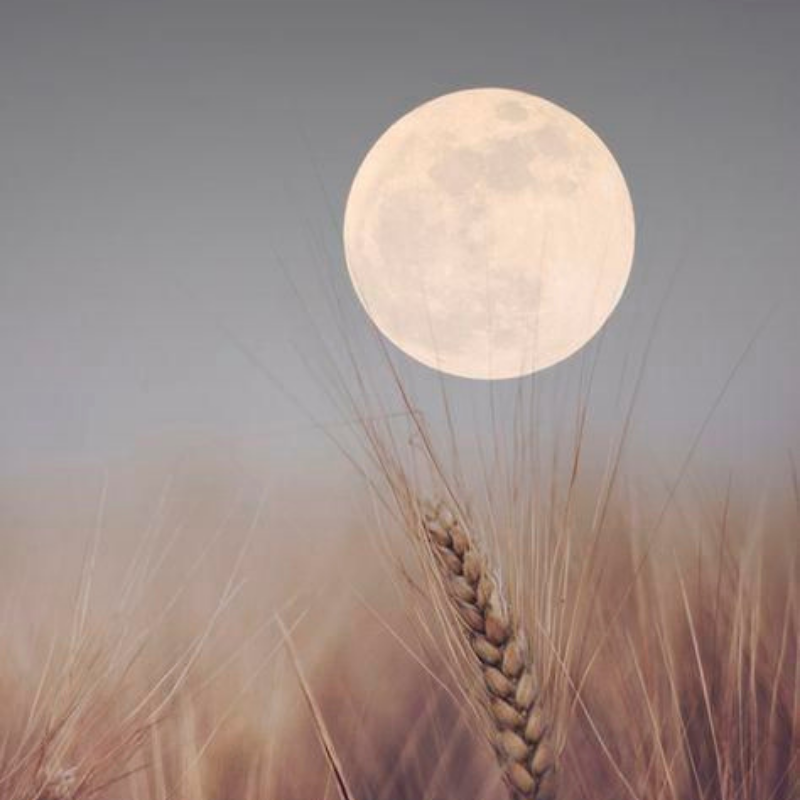
September | Harvest Moon: This full Moon has also been called the Barley Moon & Corn Moon, because it corresponds with the timeline for harvesting ripened barley & corn, etc. (see the note below regarding the Harvest Moon’s timing).
October | Hunter’s Moon: This is the month when the leaves are falling and the game is fattened. Now is the time for hunting and laying in a store of provisions for the long winter ahead. This has also been called the Travel Moon and the Dying Moon.
November | Beaver Moon: For both the colonists and native tribes, this was the time to set beaver traps before the swamps froze, to ensure a supply of warm winter furs. This has also called the Frost Moon.
December | Cold Moon: This is the month when the winter cold fastens its grip and the nights become long and dark. This has also been called the Long Nights Moon.
Her Mysteries
Harvest Moon: The Harvest Moon is an astronomical name and refers to the full Moon that occurs closest to the autumnal equinox. At this time, for several evenings, the moonrise comes soon after sunset. This results in an abundance of bright moonlight early in the evening; providing farmers extra time to gather crops such as corn, pumpkins, squash, and wild rice.
Blue Moons: Occasionally, two full Moons occur within the same calendar month. The first full Moon goes by the name normally assigned to that month’s full Moon, but the second full Moon is commonly called a Blue Moon. Blue Moons occur about every 2½ years.
Black Moons: In contrast to the Blue Moon, a Black Moon has been used to refer to a month in which there is no full Moon; this can only occur in February, because the calendar month has fewer days (28 or 29 days) than the lunar month (about 29.5 days). The term may also refer to a second new Moon occurring within a calendar month; by this definition, a Black Moon can never occur in February.
Supermoons: A full Moon is said to be a “Supermoon” when it is at the point in its elliptical orbit closest to the Earth— resulting in a slightly larger-than-usual apparent size of the lunar disk as viewed from Earth.
Micromoons: A Micromoon is when a full Moon or a new Moon coincides with apogee, the point in the Moon's orbit farthest away from Earth.
Penumbral Lunar Eclipses: A penumbral lunar eclipse is a rather subtle phenomenon that occurs when the full Moon moves through the outer part of Earth’s shadow known as the penumbra.
Lunar Eclipses: A lunar eclipse occurs when the Moon passes directly behind Earth and into its shadow. This can occur only when the Sun, Earth, and Moon are exactly or very closely aligned, with the Earth between the two. A lunar eclipse can occur only on the night of a full Moon.
Solar Eclipses: A solar eclipse occurs when the Sun, Moon and Earth are aligned & a portion of the Earth is engulfed in a shadow cast by the Moon which fully or partially blocks the sunlight. A solar eclipse can occur only on the night of a new Moon.
This program’s written & recorded content may be used for personal home use only. Under no circumstances may these transmissions be shared, sold, or repurposed for your professional use. Thank you for honoring these terms.